Incline Dumbbell Reverse Fly
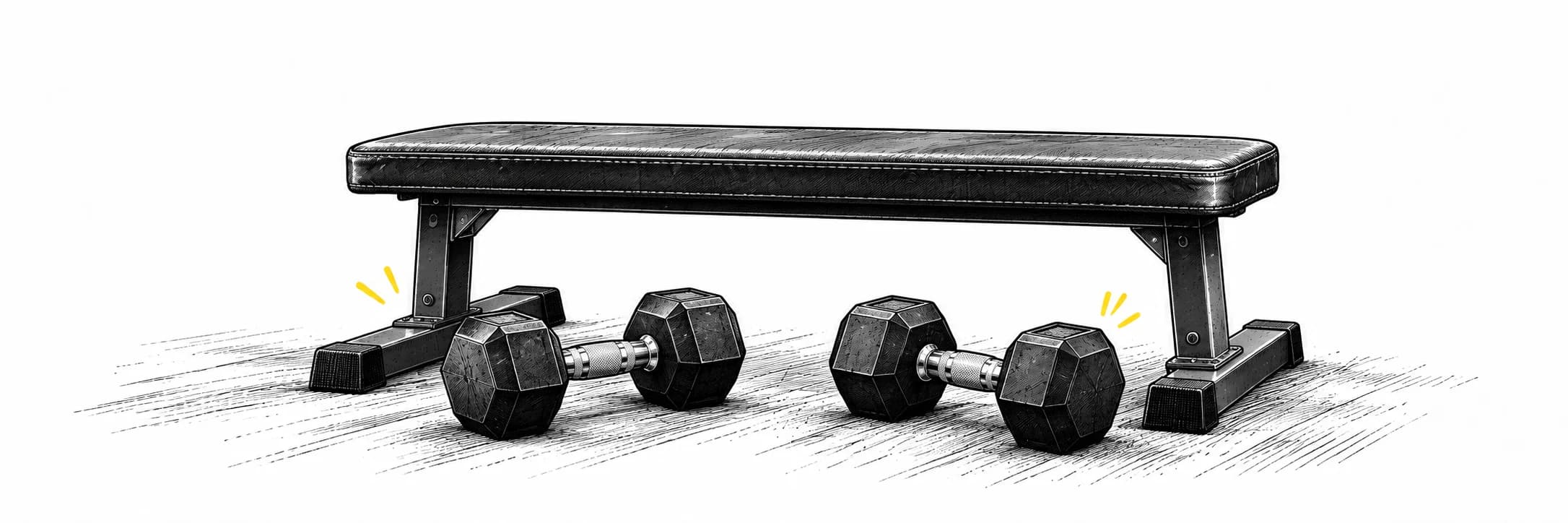
The incline dumbbell reverse fly is a chest-supported exercise isolating the rear deltoids for HYROX postural endurance and shoulder health.
What the exercise is
The incline dumbbell reverse fly is a chest-supported reverse-fly variation performed on an inclined bench. The movement combines horizontal movement of the upper arm with motion at the shoulder blade. Bench angle, grip, elbow bend and arm path are setup choices rather than one validated universal formula; no reviewed source establishes 30–45 degrees as mandatory.
ACSM 2026 resistance-training position stand
What the evidence shows
A crossover study of 29 adults measured surface EMG during 10RM-matched reverse flies. The posterior deltoid was active, while the study also measured activity in the middle deltoid, descending trapezius and latissimus dorsi. Dumbbells produced slightly greater posterior-deltoid activity than elastic bands in that acute test. Surface EMG does not prove strict isolation, a complete muscle hierarchy, long-term growth, better posture or an advantage specific to an incline-bench version.
Andersen et al. reverse-fly EMG study
Setup, range and loading
Set the bench securely and choose an angle that lets the chest remain supported. Use a grip, elbow position and controlled range that feel tolerable at the shoulder; stop before the load or speed removes control. Shoulder height, a 2-1-2 tempo, deliberate shoulder-blade squeezing and a fixed breathing pattern are coaching options, not evidence-based requirements for everyone. Choose load, repetitions, sets and rest for the goal and current capacity, then progress when technique and symptoms remain acceptable. Neither 4–8 kg nor 3 × 12–15 is a universal prescription.
ACSM 2026 resistance-training position stand
HYROX® relevance and safety
This exercise can be programmed as accessory resistance work for shoulder horizontal-abduction capacity. It is not one of the eight current HYROX® race stations, and no reviewed study shows that it directly improves HYROX® running or station endurance, prevents rounded shoulders, guarantees shoulder health or balances a push-heavy programme. A systematic review of shoulder-injury prevention in overhead athletes found the evidence too limited to conclude effectiveness even for multicomponent programmes; that cannot support a prevention promise for one exercise. Stop or modify the exercise for sharp or worsening pain and seek individual assessment when symptoms persist.
HYROX® Singles Rulebook 2026/27 · Wright et al. shoulder-injury prevention systematic review
Frequently Asked Questions
Is the incline version better than a standing reverse fly?
Chest support changes the setup and can reduce the need to hold the trunk position during the set. No reviewed trial establishes universal superiority, greater target-muscle growth or eliminated lower-back fatigue.
Andersen et al. reverse-fly EMG study · ACSM 2026 resistance-training position stand
How high should I raise the dumbbells?
Use a controlled, comfortable range that fits your shoulder and the chosen load. There is no universal shoulder-height cutoff that proves correct muscle recruitment.
ACSM 2026 resistance-training position stand
What weight should I use?
Choose a load you can move through the planned range without momentum or loss of control. Progress according to your goal, response and overall programme rather than a fixed kilogram range.
ACSM 2026 resistance-training position stand
Marketing text preserved unchanged
Build postural strength and balance your push-to-pull ratio with Repz.
Was this helpful?